
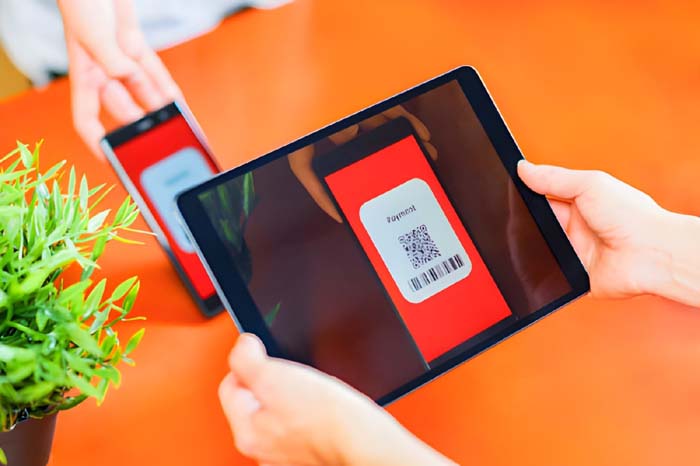
Running a modern restaurant in Australia increasingly means offering customers a fast, simple way to order food online. A restaurant online ordering system allows customers to place pickup, delivery, or dine-in orders directly through a restaurant’s website, app, or QR code menu without relying entirely on third-party delivery platforms.
For restaurants across Sydney, Melbourne, Brisbane, Perth, and other Australian hospitality hubs, online ordering systems have become an essential part of daily operations. From cafés managing takeaway rushes to multi-location restaurants handling delivery orders, digital ordering now plays a major role in customer service, revenue growth, and operational efficiency.
How Restaurant Online Ordering Systems Work
A restaurant online ordering system is software that allows customers to browse menus, customise meals, pay online, and send orders directly to the restaurant kitchen or POS system.
Most systems work through:
- A restaurant website
- A mobile ordering page
- A QR code ordering system
- A branded restaurant app
- Social media ordering integrations
Typical Online Ordering Process
Step 1 — Customer Browses the Menu
Customers view:
- menu items
- pricing
- meal descriptions
- add-ons
- combo upgrades
- dietary options
Step 2 — Order Placement
The customer selects:
- pickup
- delivery
- dine-in ordering
- scheduled ordering
They can also:
- add notes
- customise meals
- choose payment methods
Step 3 — Order Routing
The system automatically sends orders to:
- the restaurant POS
- kitchen display system (KDS)
- kitchen printers
- staff dashboards
This reduces manual handling and order mistakes.
Step 4 — Kitchen Preparation
Kitchen staff receive digital tickets or KDS notifications, helping improve:
- order accuracy
- preparation timing
- workflow organisation
- communication between staff
Step 5 — Customer Notifications
Customers receive:
- order confirmation
- estimated preparation time
- pickup alerts
- delivery tracking updates
Types of Restaurant Online Ordering Systems
Different hospitality venues in Australia use different ordering setups depending on their operations.
1. Direct Website Ordering
Customers order directly from the restaurant website.
Best for:
- independent restaurants
- takeaway shops
- pizza stores
- cafés
Main benefit:
- commission-free ordering
2. QR Code Ordering Systems
Customers scan a QR code at the table and order from their phones.
Common across:
- Sydney cafés
- Melbourne brunch venues
- Brisbane hospitality venues
Best for:
- reducing wait times
- improving table turnover
- reducing front-of-house pressure
3. Mobile App Ordering
Restaurants offer branded apps for repeat customers.
Useful for:
- loyalty programs
- promotions
- customer retention
4. POS-Integrated Ordering Systems
The ordering software syncs directly with the restaurant POS system.
Benefits include:
- automatic order syncing
- live menu updates
- centralised reporting
5. Multi-Location Ordering Platforms
Designed for restaurant groups operating multiple venues across Australia.
Features include:
- central menu management
- location switching
- consolidated analytics
Benefits of Online Ordering for Restaurants
Australian restaurants increasingly invest in direct online ordering because it solves several operational and financial challenges.
Faster Ordering Experience
Customers can order quickly without waiting for staff assistance.
This is especially valuable during:
- lunch rushes
- weekend dinner service
- takeaway peak periods
Reduced Order Errors
Digital ordering eliminates:
- unclear phone orders
- handwritten ticket mistakes
- missed modifiers
For example, many cafés in Melbourne experience fewer takeaway errors when orders are routed directly into the POS and kitchen display system.
Improved Staff Efficiency
Online ordering helps restaurants:
- reduce manual tasks
- minimise front counter congestion
- improve service speed
This is increasingly important across Australian hospitality businesses facing staffing shortages.
Higher Average Order Value
Online menus often increase customer spending through:
- upselling prompts
- combo suggestions
- add-on recommendations
Restaurants frequently see customers add:
- drinks
- desserts
- sides
- meal upgrades
more consistently online than over the phone.
Better Customer Convenience
Customers now expect:
- mobile ordering
- digital payments
- contactless experiences
- online pickup scheduling
Restaurants without online ordering may lose customers to competitors offering faster digital experiences.
Restaurant Online Ordering vs Third-Party Delivery Apps
Many restaurant owners ask whether they should rely on delivery marketplaces or build their own direct ordering platform.
Here’s the key difference.
| Direct Ordering System | Third-Party Delivery Apps |
| Restaurant owns customer relationship | Marketplace controls customer access |
| Lower commission costs | High commission fees |
| Branded customer experience | Shared marketplace branding |
| Better profit margins | Reduced profit margins |
| Customer data ownership | Limited customer data access |
Why Australian Restaurants Prefer Direct Ordering
Restaurants across Australia are increasingly trying to reduce dependence on:
- Uber Eats
- DoorDash
- Menulog
Common reasons include:
- high commissions
- reduced profitability
- limited branding control
Many hospitality venues now use third-party apps only for customer discovery while encouraging repeat customers to order directly.
Key Features Restaurants Should Look For
Not all restaurant ordering systems are equal.
Here are the most important features Australian restaurants should prioritise.
Essential Features
Online Menu Management
Allows restaurants to update:
- pricing
- sold-out items
- seasonal menus
- specials
in real time.
POS Integration
A good system should sync directly with:
- restaurant POS systems
- payment terminals
- inventory systems
This reduces manual entry errors.
Kitchen Display System Integration
Orders should route directly into the kitchen workflow.
This improves:
- preparation timing
- ticket organisation
- communication
Mobile-Friendly Ordering
Most customers now order from smartphones.
Menus should load quickly and remain easy to navigate.
Analytics and Reporting
Restaurants should track:
- top-selling items
- order trends
- peak service periods
- customer behaviour
Upselling Features
Look for tools that suggest:
- meal upgrades
- combos
- extra toppings
- drinks
These features help increase average order value.
How Online Ordering Integrates With POS and KDS
One of the biggest operational advantages is integration.
POS Integration
When online ordering connects with the POS system:
- orders sync automatically
- menu updates happen centrally
- sales reports remain accurate
This prevents duplicate entry and reduces reconciliation problems.
Kitchen Display System (KDS) Integration
Orders appear instantly on digital kitchen screens.
This helps kitchens:
- organise tickets
- prioritise orders
- reduce confusion
- improve preparation speed
For busy restaurants in Sydney or high-volume takeaway shops in Brisbane, KDS integration can significantly improve workflow efficiency.
Why Australian Restaurants Are Investing in Direct Ordering
Australia’s hospitality industry has changed significantly in recent years.
Restaurants now face:
- rising wage costs
- labour shortages
- delivery app commissions
- changing customer expectations
As a result, more venues are investing in direct digital ordering systems.
Common Industry Trends
Across Australia, restaurants are increasingly adopting:
- QR code ordering
- cloud-based POS systems
- digital menus
- automated kitchen workflows
- customer loyalty systems
Hospitality businesses want technology that:
- simplifies operations
- improves service speed
- increases profitability
Common Problems Solved by Restaurant Ordering Software
Restaurant online ordering systems help solve several common hospitality challenges.
Problem 1 — Phone Order Mistakes
Digital ordering reduces:
- incorrect addresses
- wrong menu items
- misunderstood instructions
Problem 2 — Front Counter Congestion
Online ordering helps reduce queues during busy periods.
This is especially useful for:
- cafés
- takeaway shops
- quick service restaurants
Problem 3 — Slow Kitchen Communication
Integrated systems improve communication between:
- front-of-house
- online orders
- kitchen staff
Problem 4 — Lost Revenue Opportunities
Upselling prompts encourage larger orders.
Restaurants often increase average transaction values using:
- combo offers
- recommended extras
- automated promotions
How Online Ordering Helps Increase Revenue
A well-designed online ordering system does more than accept orders.
It can directly improve restaurant profitability.
Ways Restaurants Increase Revenue
1. Direct Customer Ownership
Restaurants keep customer relationships instead of relying entirely on third-party apps.
2. Higher Repeat Orders
Loyalty systems and customer accounts encourage repeat business.
3. Reduced Operational Costs
Digital ordering reduces:
- manual order handling
- staff workload
- administrative tasks
4. Improved Upselling
Customers tend to spend more when presented with:
- visual menus
- recommended items
- simple add-on options
Nearby Areas We Support Across Australia
Restaurant online ordering systems are increasingly used across:
- Sydney
- Melbourne
- Brisbane
- Perth
- Adelaide
- Gold Coast
- Canberra
including surrounding hospitality districts, suburban dining areas, and growing takeaway markets.
What Does a Restaurant Online Ordering System Cost?
Costs vary depending on:
- features
- integrations
- venue size
- number of locations
Typical Australian pricing may include:
- monthly subscriptions
- transaction fees
- POS integration costs
- onboarding fees
Restaurants should carefully compare:
- commission structures
- integration capabilities
- support availability
- scalability
Avoid choosing software based only on low pricing.
Poor integrations often create long-term operational problems.
Prevention Tips and Best Practices
Restaurants should regularly:
- update online menus
- remove unavailable items
- test payment systems
- monitor order routing
- review analytics reports
- optimise upselling prompts
It’s also important to train staff on:
- handling digital orders
- managing peak ordering periods
- troubleshooting common issues
When to Call a Professional in Sydney
If your restaurant experiences:
- frequent order errors
- disconnected POS systems
- kitchen workflow delays
- high delivery commissions
- customer ordering complaints
it may be time to implement a professional restaurant online ordering system.
Hospitality businesses in Sydney often seek professional support when expanding delivery services or modernising operations for higher customer demand.
Why Choose Us for Restaurant Online Ordering Systems in Sydney
We help Australian restaurants build streamlined digital ordering operations designed for real hospitality environments.
Our solutions focus on:
- direct online ordering
- QR code ordering
- POS integration
- kitchen display systems
- analytics and upselling
- commission-free ordering workflows
We understand the operational realities of Australian hospitality businesses, including:
- peak-hour pressure
- staffing shortages
- takeaway demand
- customer experience expectations
Whether you operate a café in Melbourne, a takeaway shop in Brisbane, or a multi-location restaurant group in Sydney, we provide scalable restaurant technology solutions tailored to hospitality workflows.
Ready to Improve Your Restaurant Ordering System?
A modern restaurant online ordering system can help improve:
- operational efficiency
- customer experience
- order accuracy
- average order value
- direct customer retention
Explore our full restaurant online ordering solutions and discover how integrated hospitality technology can support your business growth across Australia.
FAQs
What is a restaurant online ordering system?
A restaurant online ordering system allows customers to place food orders digitally through a website, mobile app, or QR code menu.
How do restaurant online ordering systems work?
Orders are placed online and automatically routed to the restaurant POS system or kitchen display system for preparation.
Can online ordering reduce restaurant costs?
Yes, online ordering can reduce labour pressure, phone order handling, and operational inefficiencies.
Do online ordering systems integrate with POS software?
Most modern restaurant ordering systems integrate directly with POS platforms and kitchen workflows.
Is direct online ordering better than Uber Eats?
Direct ordering often provides better profit margins and stronger customer ownership compared to third-party delivery apps.
Are QR code ordering systems popular in Australia?
Yes, many Australian cafés and restaurants now use QR ordering to improve customer convenience and service speed.
What restaurants benefit most from online ordering?
Cafés, takeaway shops, quick service restaurants, ghost kitchens, and multi-location restaurant groups all benefit from online ordering systems.