
A few years ago, online food ordering was considered a convenience. Today, for many customers across Australia, it has become an expectation.
Whether someone is ordering coffee from a local café before work, booking takeaway for the family on a Friday night, or ordering cocktails and small plates from a venue during a live event, Australian customers increasingly expect restaurants to provide fast, simple, and reliable online ordering experiences.
For restaurant owners, café operators, bars, pubs, and hospitality venues, this shift is changing more than just how food is sold. It is changing how customers judge convenience, service quality, professionalism, and even whether they return again in the future.
This article explores why customer expectations around online ordering have changed, what Australian diners now expect from hospitality businesses, and how venues can adapt without losing the human side of hospitality.
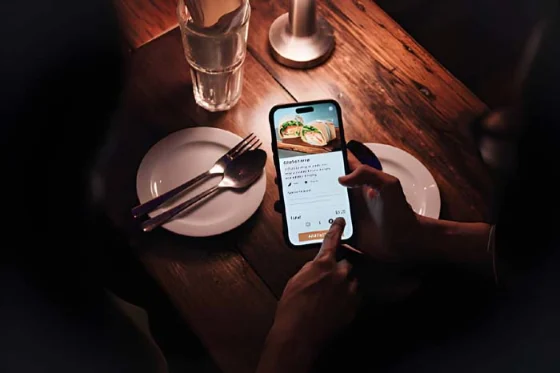
Online Ordering Is Now Part of the Customer Experience
Many venue owners still think of online ordering as a separate technology feature. But customers often see it differently.
For modern diners, online ordering is now part of the overall hospitality experience — just like:
- customer service
- food quality
- atmosphere
- speed
- convenience
If the ordering experience feels slow, confusing, outdated, or unreliable, customers often associate that frustration directly with the venue itself.
This is especially true in highly competitive hospitality markets like:
- Sydney
- Melbourne
- Brisbane
- Perth
- Adelaide
Customers have more choices than ever before, and convenience increasingly influences where they spend money.
Why Customer Expectations Have Changed So Quickly
Several major shifts have reshaped customer behaviour across Australia’s hospitality industry.
Customers Became Used to Digital Convenience
Consumers now order almost everything online:
- groceries
- transport
- retail products
- entertainment
- banking services
As digital convenience became normal in daily life, customers naturally began expecting similar convenience from restaurants and cafés.
For many diners today, having to:
- call manually
- wait on hold
- repeat order details
- struggle with outdated websites
feels unnecessarily frustrating.
Mobile Usage Changed Ordering Habits
Most online food orders in Australia now happen on mobile devices.
Customers expect:
- mobile-friendly menus
- quick checkout
- saved payment options
- fast loading pages
- live updates
A restaurant website that works poorly on mobile can immediately create friction and lost orders.
Delivery Platforms Changed Consumer Behaviour
Food delivery apps helped condition customers to expect:
- real-time updates
- instant confirmations
- delivery tracking
- easy reordering
- digital payments
Even customers who prefer ordering directly from restaurants often still expect these same convenience features.
This means customer expectations are no longer shaped only by local competitors — they are shaped by the broader digital experiences people use every day.
What Australian Customers Now Expect From Restaurant Online Ordering
Customer expectations have become far more advanced than simply “being able to order online.”
Modern diners expect the experience to feel smooth, reliable, and intuitive from start to finish.
1. Customers Expect Ordering to Be Fast
Speed matters.
If customers cannot quickly:
- find the menu
- customise an order
- complete payment
they may abandon the order entirely.
Australian customers increasingly expect:
- minimal clicks
- fast-loading pages
- simplified checkout
- clear navigation
This is one reason many restaurants are investing in streamlined ordering systems and mobile-first website design.
2. Customers Expect Accurate Ordering
Customers want confidence that:
- their order is correct
- dietary requests are visible
- pickup times are accurate
- delivery estimates are realistic
Order mistakes create frustration quickly, especially during busy service periods.
Integrated online ordering systems can reduce:
- manual entry mistakes
- communication errors
- missed modifications
For hospitality businesses, reliability often matters just as much as speed.
3. Customers Expect Contactless Convenience
Many Australian customers now prefer:
- digital menus
- QR code ordering
- tap-to-pay systems
- online payment before arrival
This is especially common in:
- cafés
- bars
- pubs
- fast casual dining
- entertainment venues
Customers increasingly appreciate ordering without waiting for staff during busy periods.
4. Customers Expect Real-Time Communication
Modern diners dislike uncertainty.
Customers now expect:
- instant order confirmations
- estimated preparation times
- pickup notifications
- delivery tracking
- status updates
Even simple automated communication can significantly improve customer confidence and satisfaction.
5. Customers Expect Restaurants to Remember Them
Personalisation is becoming increasingly important.
Customers appreciate when restaurants:
- save favourite orders
- offer loyalty rewards
- provide personalised offers
- remember preferences
This is one reason many Australian venues are moving toward direct online ordering systems rather than relying entirely on third-party apps.
Owning customer relationships allows businesses to create more personalised experiences over time.
6. Customers Expect Flexible Ordering Options
Different customers want different levels of convenience.
Modern hospitality venues increasingly offer:
- dine-in ordering
- takeaway ordering
- click-and-collect
- curbside pickup
- scheduled ordering
- delivery options
Flexibility has become a major competitive advantage in Australia’s hospitality industry.
Online Ordering Is Now Influencing Customer Loyalty
One important trend many venue owners underestimate is how strongly ordering convenience affects repeat business.
A poor online experience can lead customers to:
- choose competitors next time
- abandon incomplete orders
- leave negative reviews
- lose trust in reliability
Meanwhile, a smooth experience can encourage:
- repeat purchases
- loyalty signups
- larger order values
- stronger customer retention
In many cases, online ordering is no longer just a sales tool — it directly impacts long-term customer relationships.
Why Hospitality Businesses Are Investing More in Direct Ordering
Many Australian restaurants, cafés, and bars are now investing in their own online ordering systems because they want more control over:
- customer experience
- branding
- loyalty programs
- customer communication
- operational efficiency
Direct ordering also allows venues to:
- reduce commission costs
- build customer databases
- encourage repeat ordering
- improve long-term profitability
This trend is becoming increasingly visible across Australia’s hospitality sector.
Common Frustrations Customers Still Experience
Despite industry improvements, many Australian diners still encounter:
- slow restaurant websites
- broken ordering pages
- outdated menus
- limited payment methods
- confusing checkout systems
- inaccurate delivery times
Restaurants that solve these issues often stand out quickly in competitive local markets.
Hospitality Is Still About Human Experience
Technology is important, but customers still value hospitality.
The best online ordering systems support hospitality rather than replacing it.
Successful venues often combine:
- digital convenience
- efficient operations
- personalised service
- strong customer communication
- consistent food quality
Customers want convenience, but they also want to feel confident ordering from a business that values their experience.
What Smart Australian Venue Owners Are Doing
Forward-thinking hospitality businesses are now focusing on:
- mobile-first ordering experiences
- faster checkout systems
- integrated POS technology
- customer loyalty programs
- direct ordering channels
- local SEO visibility
- operational automation
Many are also using online ordering data to better understand:
- customer preferences
- ordering behaviour
- peak sales periods
- menu performance
This helps businesses make smarter operational and marketing decisions.
The Future of Customer Expectations
Customer expectations around restaurant technology will likely continue increasing.
Future expectations may include:
- AI-powered recommendations
- voice ordering
- predictive ordering
- hyper-personalised promotions
- seamless cross-device experiences
Australian hospitality businesses that adapt early are often better positioned to build stronger long-term customer relationships.
Final Thoughts
Across Australia, online ordering has evolved from a convenience feature into a core part of the hospitality customer experience. Customers increasingly expect restaurants, cafés, bars, and venues to offer fast, reliable, and user-friendly digital ordering experiences that fit seamlessly into modern lifestyles.
For hospitality businesses, the challenge is no longer simply whether to offer online ordering — it is whether the experience feels smooth, trustworthy, and customer-focused enough to meet rising expectations in an increasingly digital hospitality landscape.